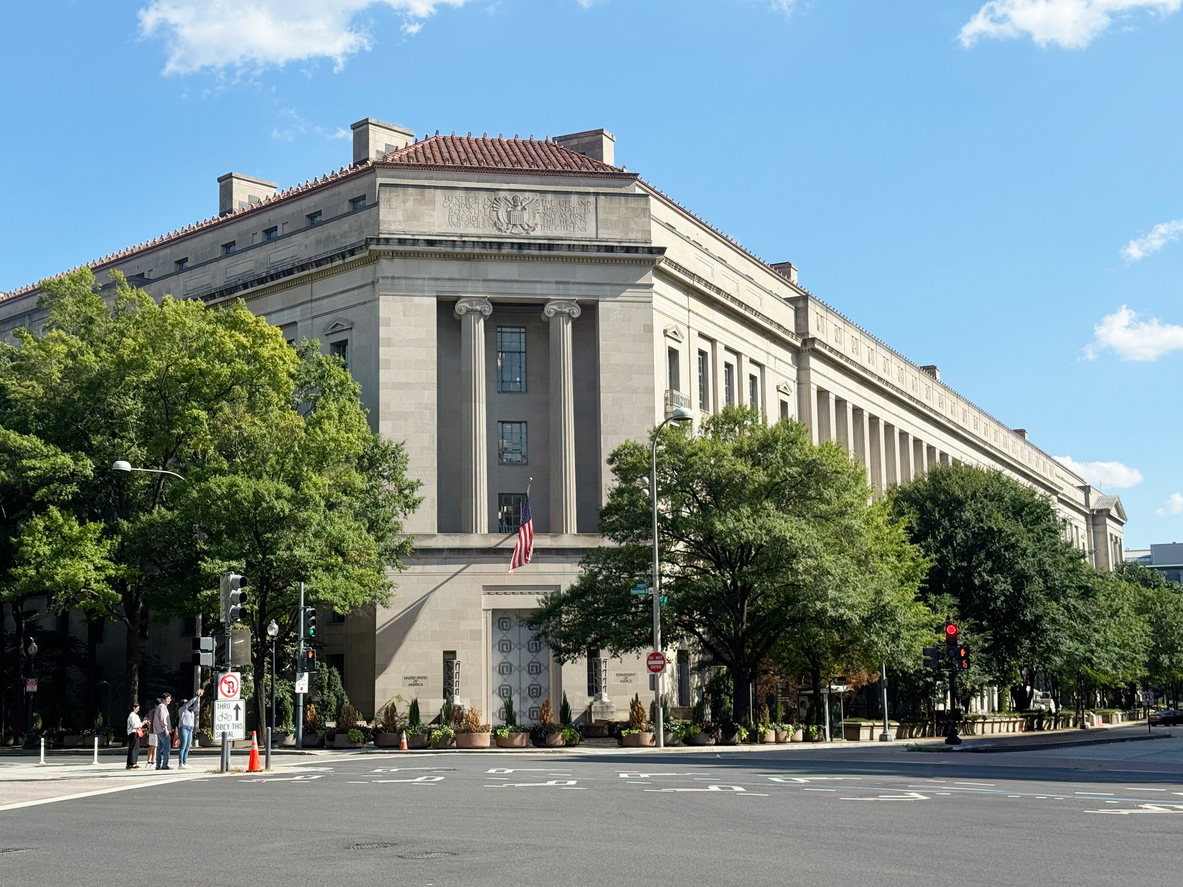
In a filing yesterday, the Department of Justice (DOJ) argued that if the federal government chooses not to enforce the Clean Air Act against a facility allegedly violating emissions laws, then neither can anyone else. This is the first time the United States has intervened in a citizen suit against a private defendant and argued that the suit must be dismissed. Here, the government has done so in defense of X.AI, citing the primacy of federal enforcement discretion and asserting indefinite national security concerns raised by threats to the unavailability of Grok (X.AI’s AI model, powered, in part, by the data center at the center of the dispute).
While the United States cites cases where courts have limited citizen enforcement efforts at the margins, no court has adopted the central argument the government makes here: that only the “Executive,” by virtue of Article II of the Constitution, may make enforcement decisions, and that the decision to not enforce environmental laws displaces the ability of affected persons to bring their own enforcement actions even though Congress created citizen suit provisions allowing just that (see, e.g., 42 U.S.C. § 7604). That position is a departure from the federal government’s past positions and from decisions that have upheld the constitutionality of citizen suits. The government’s statutory interpretation raises questions as well: largely unexplained in the government’s brief is how the bar on Clean Air Act citizen suits where the government is “diligently prosecuting” can be extended to allow the government to preclude citizen enforcement altogether.
EELP recently flagged this case in the context of DOJ’s unusual behavior around settlements with aligned parties, identifying it as one to watch where the government might intervene to steer litigation toward resolution favorable to an aligned party. It also fits with this administration’s full-throated arguments about executive power as preempting efforts by other entities to address other environmental issues, the administration’s novel approach to emergency powers, and the administration’s pivot to national security justifications in unusual contexts.
If courts adopt the government’s view here, this could substantially undermine the availability of citizen suits in the future, a particular concern in the context of an administration that has already shown preference for some industries and energy sources over others and has worked to dismantle protections for overburdened communities.