Bio

Ari has written extensively about electricity regulation, on issues ranging from rooftop solar to constitutional challenges to states’ energy laws. Prior to the Electricity Law Initiative, he was an associate at a law firm in Washington, D.C., where he litigated before the Federal Energy Regulatory Commission about the Western Energy Crisis. Before that, Ari was a Peace Corps Volunteer in Ghana and spent two years trying to bring the 2012 Olympics to New York. He received his J.D. from Harvard Law School and graduated from the University of Pennsylvania with degrees in electrical engineering and business.

Featured

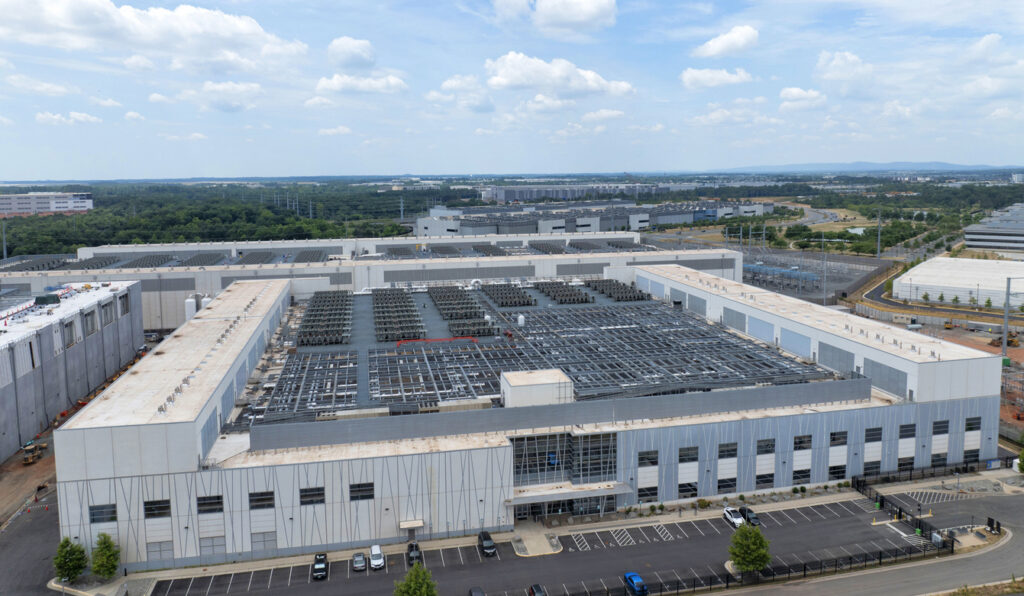
Extracting Profits from the Public: How Utility Ratepayers Are Paying for Big Tech’s Power

Research Paper Electricity Law

Extracting Profits from the Public: How Utility Ratepayers Are Paying for Big Tech’s Power

New paper from the Harvard Electricity Law Initiative uncovers how utilities are forcing ratepayers to fund discounted rates for data centers.

Latest

‘Mysterious’ group pushes FERC to end net metering

A Massachusetts-based nonprofit that took down a biomass subsidy in New Hampshire last year has set its sights on upending net metering nationwide. The New England Ratepayers Association filed a petition last week asking the Federal Energy Regulatory Commission to effectively curtail net metering, a practice that requires utilities to pay rooftop solar owners for the extra electricity they generate and send to the grid. The petition calls on FERC to place the widespread practice under federal jurisdiction. The move away from state regulation could significantly cut the rates paid to rooftop solar owners and other on-site power generators. But the group says placing net metering under federal authority would lower electricity costs for ratepayers…Ari Peskoe, director of the Electricity Law Initiative at the Harvard Law School Environmental and Energy Law Program, immediately slammed the petition in a series of tweets. “This is a petition filed by this mysterious group calling themselves New England Ratepayers Association,” he told E&E News. “Nobody knows who funds them, and they cite no new case law. There is absolutely no reason to raise this issue now.” …While FERC has always considered energy procured by utilities through net metering a retail sale that falls under state authority, NERA argues that net-metering transactions constitute “sales for resale,” which it says should be treated as a wholesale power market transaction that falls under FERC jurisdiction. Peskoe dismissed this idea, noting that FERC only has jurisdiction over wholesale sales in interstate commerce. “An energy transfer effectuated through a state-regulated net-metering tariff is neither a wholesale sale nor a sale in interstate commerce,” he said.